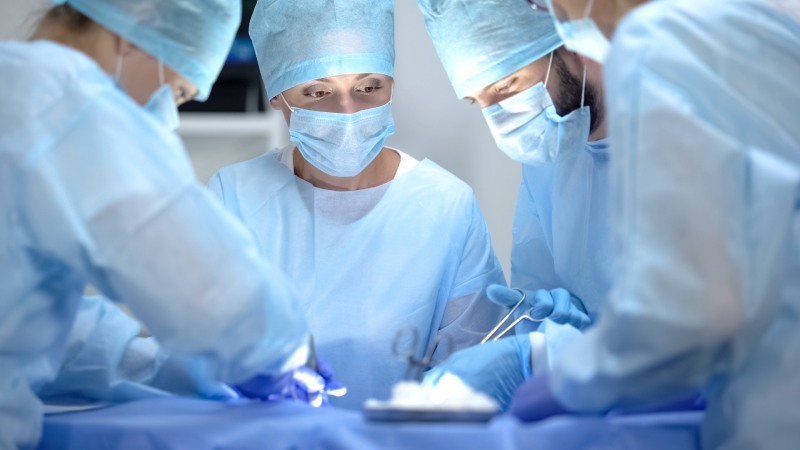
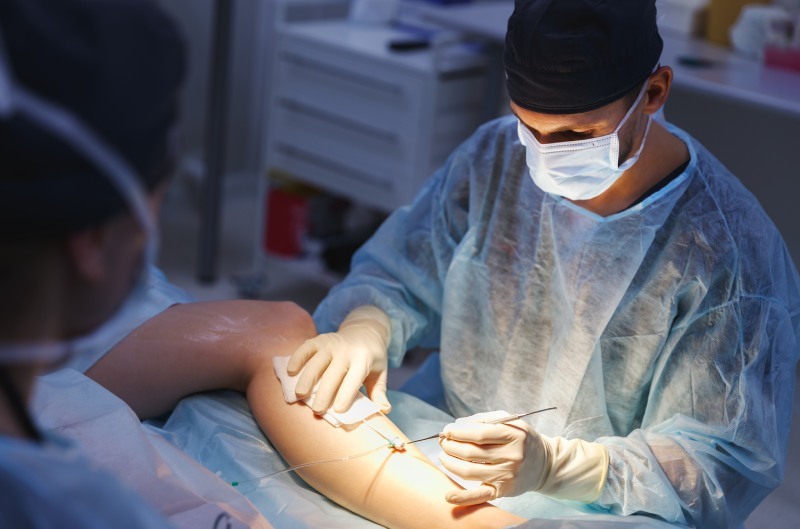
Operating on the heart, saving a limb, transplanting an organ, monitoring ECMO and many other surgical specialties all involve decisions that are based on blood flow. It’s important to know with certainty not just that blood is moving, but how much is moving and thereby perfusing the tissue.
Doppler gives you a waveform and sound. TTFM gives you quantitative, beat-to-beat data that allows you to:
- Confirm or revise clinical impressions in the moment
- Detect subtle issues like kinks, twists, or poor anastomosis
- Optimize graft patency and reduce reinterventions
If you're relying solely on Doppler, you may only be seeing half the picture.
Of course, some surgeons feel confident relying solely on their clinical experience and Doppler. That confidence is well-earned. But what about the residents learning beside you? When the stakes are high, real-time flow data helps reinforce clinical intuition and decision-making.